When Forklift Problems Mean Stop Work
Not every forklift problem requires an immediate shutdown, but some signs leave no room for “finish the shift first.” Stop work and take the forklift out of service if warning lights indicate a critical fault, steering or braking feels inconsistent, the mast drifts or jerks, or a fresh fluid leak appears beneath the machine. Hydraulic fluid, fuel, coolant, and battery electrolyte each point to different issues, yet all can affect safety, stability, or fire risk. Unusual sounds matter too: grinding during travel, strained lifting, or repeated alarms deserve prompt inspection. Operators should never try to compensate for a fault with slower driving, lighter loads, or a workaround. Isolate the truck, note what happened, and have a qualified technician assess it before it returns to the floor. A dependable forklift is built on regular maintenance, but safe operations depend on recognizing when a problem has moved beyond routine attention.
Immediate stop-work warning signs
- Remove the forklift from service when critical warning lights appear or repeated alarms sound.
- Stop immediately if steering feels loose, inconsistent, delayed, or difficult to control.
- Take the truck out of operation when braking is weak, uneven, or unpredictable.
- Do not operate a forklift with mast drift, jerking movements, or strained lifting.
- Inspect fresh leaks beneath the machine, including hydraulic fluid, fuel, coolant, or battery electrolyte.
- Report grinding while traveling, unusual lifting noises, or other unfamiliar mechanical sounds.
- Isolate the forklift, document the fault, and wait for qualified technician approval before reuse.
The Most Common Used Forklift Problems, a Quick Action Guide
The most common used forklift problems are often manageable when identified early. From power loss to hydraulic and steering concerns, these common issues can affect how forklifts perform, how safely the machine operates, and when its systems need professional service.
Starting Problems and Sudden Loss of Power
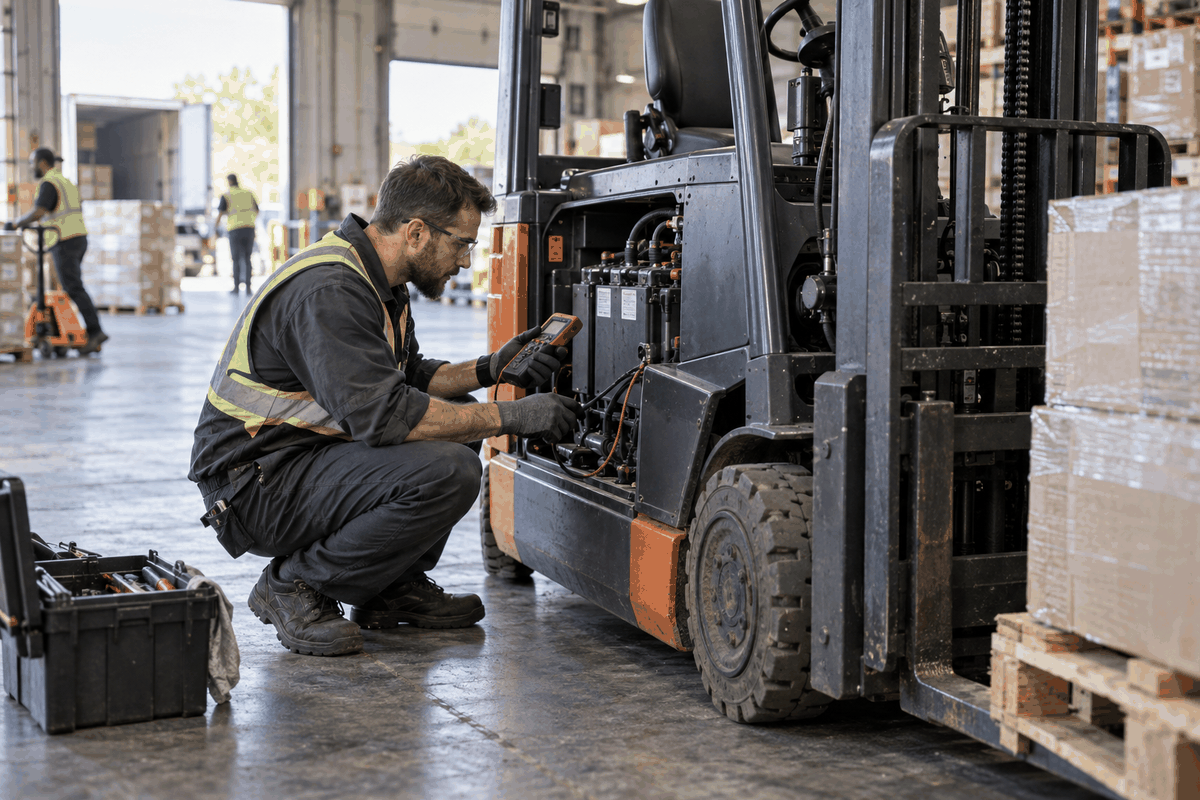
Starting problems deserve prompt attention, especially when your forklift won’t start at the beginning of a shift or suffers a sudden loss of power under load. Begin with the basics: inspect battery connections, charge level, terminals, fuses, and visible forklift electrical wiring. Battery degradation can reduce runtime and make electric models unreliable, while wiring faults may create intermittent shutdowns that are difficult to predict. For internal-combustion equipment, old fuel, clogged filters, or ignition concerns may be responsible. Avoid repeated jump-starting or bypassing electrical safeguards. Document when the fault occurs and arrange service before a minor starting issue sidelines the machine during a busy day.
Mast Problems and Lift Problems
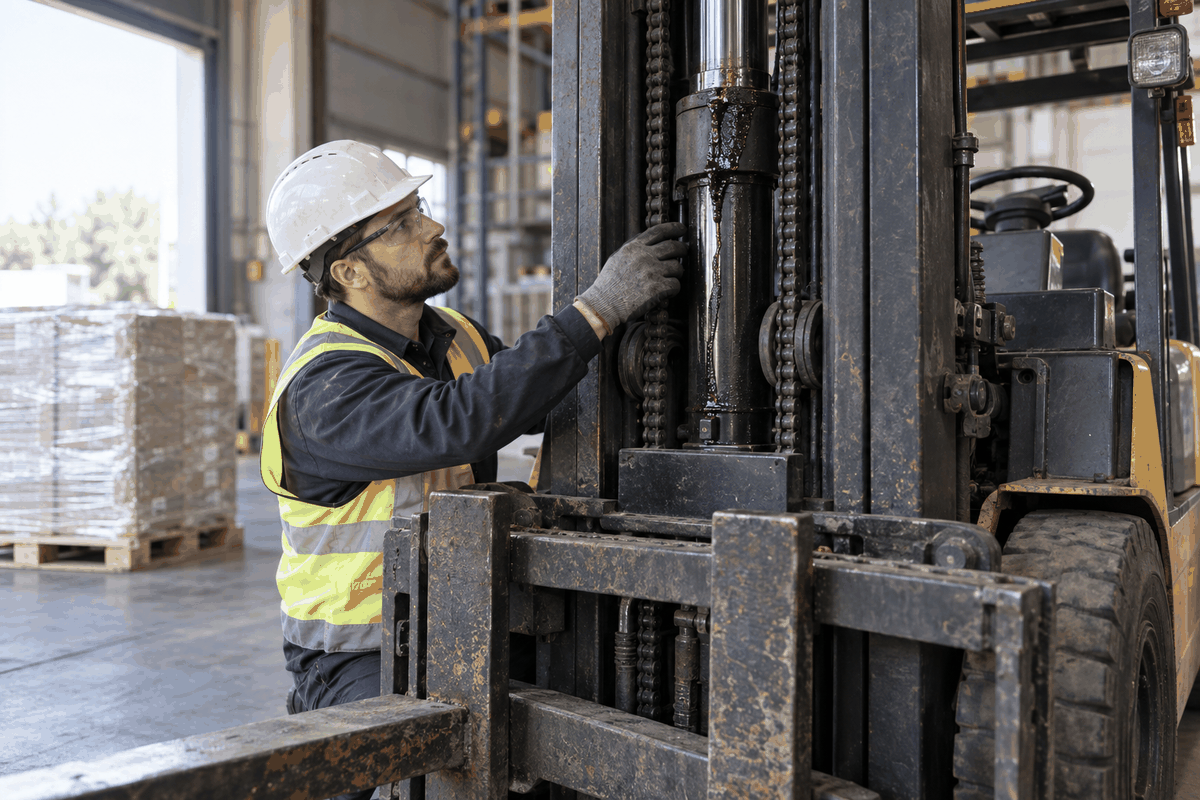
Mast problems and lift problems can quickly become safety concerns because they directly affect load control. If the mast does not move properly, rises unevenly, drifts downward, binds, or makes unusual noises, take the truck out of operation until it is inspected. Check for visible hydraulic leaks, damaged chains, worn rollers, and loose or compromised parts around the carriage. Mast issues may also stem from low hydraulic fluid, contaminated fluid, cylinder wear, or a valve problem. Confirm that loading remains within the truck’s rated capacity and that any attachments are approved for the application. A qualified technician should assess lifting performance rather than relying on temporary adjustments.
Steering Issues and Tire Problems
Steering issues and tire problems are especially important in a busy warehouse, where narrow aisles, ramps, and pedestrian traffic leave little room for error. Heavy steering, delayed response, vibration, pulling to one side, or fluid leaks can point to worn steering components, low hydraulic fluid, or damage within the steering system. Inspect tires daily for cuts, flat spots, chunking, loose wheel hardware, and uneven wear. On cushion-tire forklifts, excessive wear can reduce stability and clearance; on pneumatic tires, incorrect pressure changes handling and load support. Remove the truck from service if steering control feels inconsistent. Routine tire checks protect operator safety and help prevent avoidable downtime.
Forklift Steering and Tire Inspection Quick Reference
| Inspection area | What to check | Potential concern | Recommended action |
|---|---|---|---|
| Steering response | Check for heavy steering, delayed response, vibration, or pulling to one side. | Worn steering components or damage within the steering system. | Remove the truck from service if steering control feels inconsistent. |
| Hydraulic fluid and leaks | Look for fluid leaks and confirm hydraulic fluid is not low. | Low hydraulic fluid or a steering-system issue. | Address the fluid or steering issue before operating the truck. |
| Tire condition | Inspect tires daily for cuts, flat spots, chunking, and uneven wear. | Damaged or worn tires can affect handling, stability, and safety. | Correct tire problems found during the daily inspection. |
| Wheel hardware | Check for loose wheel hardware. | Loose hardware can create a safety risk during operation. | Ensure wheel hardware is secure before use. |
| Cushion-tire wear | Check cushion tires for excessive wear. | Excessive wear can reduce stability and clearance. | Correct excessive tire wear to maintain stable operation. |
| Pneumatic tire pressure | Verify pneumatic tires have correct pressure. | Incorrect pressure changes handling and load support. | Adjust tire pressure to the correct level before operation. |
Hydraulic, Mast and Structural Issues That Need Prompt Service
Hydraulic and mast concerns deserve immediate attention because they affect a forklift’s ability to lift, lower and carry loads safely. Low fluid may seem minor, but it can signal a leak, contamination or a larger issue within the hydraulic system. Slow or uneven lifting, drifting forks, unusual noise and visible fluid beneath the truck all call for qualified forklift repair before the machine returns to demanding work. Mast problems, including worn rollers, damaged chains, misalignment or inconsistent travel, can create unstable load handling and accelerate wear on related parts. Structural damage to the carriage, forks, overhead guard or frame should be assessed just as quickly, particularly after an impact. A careful repair protects operators, inventory and the equipment’s long-term value. Addressing mast issues early also helps prevent a manageable service visit from becoming a more extensive replacement project.
Prompt Forklift Service Signs
- Check hydraulic fluid levels; low fluid may indicate leaks, contamination, or internal system concerns.
- Schedule qualified repair for slow, uneven lifting, drifting forks, or unusual hydraulic noise.
- Inspect beneath the truck for visible hydraulic fluid before returning it to demanding work.
- Assess mast rollers, chains, and alignment when travel becomes inconsistent or load handling feels unstable.
- Remove forklifts from service after impacts until carriage, forks, overhead guard, and frame are evaluated.
- Address mast wear early to limit related component damage and avoid larger replacement costs.
Engine, Fuel and Electrical Faults on Used Forklifts
Powertrain and electrical problems can turn an otherwise capable used forklift into an expensive interruption. Before purchase, start it cold, operate it under load and allow it to reach working temperature. Hesitation, rough running, smoke, hard starting or uneven hydraulic response may point to overdue service, ignition issues or more substantial engine wear. On LPG and diesel machines, old fuel can contaminate filters, injectors and fuel lines; on electric trucks, battery degradation reduces run time and may leave a shift unfinished.
Inspect the forklift electrical systems with equal care. Warning lights should illuminate at start-up and clear as intended, not be ignored or concealed. Check that lights, horn, gauges, charging equipment and all travel and lift controls work consistently. Wiring faults are particularly common where harnesses pass through mast channels, near batteries or beneath floor plates exposed to moisture and debris. A documented maintenance history, recent load testing and a thorough professional service provide far more confidence than a quick demonstration in the yard.
Forklift Maintenance That Prevents Repeat Failures
Reliable forklift maintenance is less about reacting to a breakdown than building a routine that catches small faults before they interrupt a shift. Poor maintenance often shows up as the same common issues returning: slow lifting, hard starts, hydraulic leaks, uneven tire wear, or a truck that feels unstable under load. A disciplined service schedule should include daily operator checks and planned inspections based on hours of use, operating conditions, and manufacturer guidance. Check fluid levels and look for leaks before operation; hydraulic oil, engine oil, coolant, and battery electrolyte all affect performance and component life. Inspect tires for damage, pressure loss, and uneven wear, particularly where forklifts travel across rough yards, dock plates, or debris. Keep records of repairs, inspections, and recurring symptoms. That history helps identify whether a part has simply reached its service interval or whether an underlying operating, loading, or maintenance practice needs attention before the next failure occurs.
Repair, Replace or Buy Better: Managing High Maintenance Costs
High maintenance costs are rarely caused by one dramatic failure. More often, a forklift begins returning to the shop for recurring hydraulic leaks, electrical faults, worn tires, mast problems or starting issues that interrupt productive hours. A qualified forklift repair assessment should look beyond the immediate repair: ask what has failed recently, whether parts remain readily available, and how much downtime the operation can absorb. Routine forklift maintenance can extend the useful life of a sound machine, particularly when service records are consistent and attachments are properly matched to the load. But when repairs become frequent, expensive or unpredictable, replacement may be the smarter business decision. A reputable dealer can help compare the cost of another repair against a professionally refurbished forklift that better suits today’s workload. The goal is not simply to spend less this month; it is to restore dependable performance, protect operators and keep material moving without constant disruption.
Frequently asked questions
What forklift problems require the truck to be taken out of service?
Stop using the forklift if braking or steering is inconsistent, the mast jerks or drifts, a warning light signals a critical fault, or there is a fresh fluid leak. Grinding sounds, strained lifting, structural damage, and repeated alarms also require inspection before operation resumes.
Can a forklift be used if it has a hydraulic fluid leak?
No. A hydraulic leak can reduce lifting control, cause mast drift, create slip hazards, and indicate damage to hoses, cylinders, valves, or fittings. Isolate the forklift and arrange for a qualified technician to identify the source and complete repairs.
Why does a used forklift lose power under load?
Power loss may result from a weak battery, corroded terminals, wiring faults, blown fuses, clogged fuel filters, old fuel, ignition problems, or engine wear. Record when the issue occurs, including load conditions, and have the truck inspected rather than bypassing safeguards.
What causes a forklift mast to lift unevenly or drift down?
Uneven lifting or drifting forks can be caused by low or contaminated hydraulic fluid, leaks, worn cylinders, valve faults, damaged chains, worn rollers, or mast misalignment. Because these faults affect load control, the forklift should not be used until it has been assessed.
How often should forklift tires be inspected?
Operators should inspect tires before each shift. Look for cuts, chunking, flat spots, loose wheel hardware, pressure loss on pneumatic tires, and uneven wear. Tire damage or incorrect pressure can reduce stability, steering response, and load support.
What should be checked before buying a used forklift?
Start the forklift cold, test travel and lifting under load, and let it reach working temperature. Check warning lights, brakes, steering, tires, mast operation, leaks, controls, battery or fuel systems, and maintenance records. A professional inspection and load test provide added confidence.
Can an operator keep working with a minor forklift fault?
Operators should not compensate for faults by driving slower, carrying lighter loads, or using temporary workarounds. Even an apparently minor issue can worsen quickly or affect safe control. Report the symptom, document it, and follow the site process for inspection and repair.